When we think of Parkinson’s disease (PD), the image that often comes to mind is one of daytime struggles—tremors, stiffness, and slow movement.
But for a vast majority of individuals living with PD, a silent and often debilitating battle rages every night.
Sleep disturbances are not just a side effect; they are a core feature of the disease, affecting more than 75% of patients and profoundly diminishing their quality of life. These nocturnal challenges can begin years before the first motor symptoms appear, offering a glimpse into the earliest stages of the disease.
Chronic poor sleep in Parkinson’s is more than just frustrating; it’s a critical issue that worsens daytime fatigue, impacts mood, and can even accelerate cognitive decline. It creates a vicious cycle where the symptoms of PD disrupt sleep, and lack of sleep worsens the symptoms. This struggle also extends to caregivers. Their own health and well-being often suffer because of a loved one’s restless nights.
Understanding the complex web of sleep issues in PD is the first step toward reclaiming the night.
This blog will guide you through the common sleep problems in Parkinson’s. We will explore their causes and a range of management strategies. These include practical lifestyle changes, individualized medical approaches, and emerging therapies that offer new hope for improving life with Parkinson’s.
The Scope of the Challenge: More Than Just a Bad Night’s Sleep
The sheer prevalence of sleep problems in the Parkinson’s community is staggering, making it a near-universal aspect of the disease. Studies consistently show that between 60% and 90% of people with PD experience significant sleep-related issues.
It’s not uncommon for an individual to get just five hours of sleep a night, and frequent awakenings punctuate. This isn’t a minor inconvenience; it’s a major health issue. Health experts directly link chronic sleep loss to poorer health and mood disorders. It also causes a significant decline in overall quality of life.
What makes this challenge even more complex is that patients often suffer from multiple sleep disorders at once. A person might complain of insomnia, but the root cause could be a combination of Restless Legs Syndrome (RLS) and Obstructive Sleep Apnea (OSA).
This overlap means that a simple, one-size-fits-all solution is rarely effective and can sometimes be dangerous. For instance, prescribing a sedative for insomnia without realizing the person has untreated sleep apnea could worsen their breathing problems.
Because of this complexity, a thorough, holistic assessment is required to untangle the various factors and create a safe, effective treatment plan. The plan must address the full spectrum of a person’s sleep difficulties.
The Many Faces of Sleep Disturbance in PD
Sleep problems in Parkinson’s are not monolithic. They manifest as a collection of distinct disorders, each with its own unique characteristics. Understanding which specific issue is present is key to finding the right treatment.
Insomnia
Insomnia is the most common complaint, but in PD, it’s typically not about difficulty falling asleep. The main issue is staying asleep. People experience frequent, prolonged awakenings (sleep fragmentation) and often wake up very early in the morning, unable to get back to sleep. A host of factors drives this. These include nocturnal motor symptoms like stiffness and tremor. They also include non-motor symptoms like pain, frequent urination, and anxiety.
REM Sleep Behavior Disorder (RBD)
Researchers powerfully link RBD, one of the most dramatic sleep disorders, to PD. Normally, our brain paralyzes our bodies during the dream stage of sleep (REM sleep). In RBD, the brain loses this paralysis, causing individuals to physically act out their dreams. They might yell, punch, kick, or even leap out of bed, posing a serious risk of injury to themselves and their bed partners. The dreams are often intense and confrontational. Frighteningly, RBD can appear years or even decades before any motor symptoms. This makes it one of the strongest known predictors of PD.
Excessive Daytime Sleepiness (EDS)
This isn’t just feeling tired; it’s an overwhelming, uncontrollable urge to sleep during the day. It can manifest as a pervasive fog of drowsiness or as sudden, irresistible “sleep attacks” that can happen anytime, even while eating or talking. EDS is dangerous, significantly increasing the risk of accidents, especially while driving. It can be caused by poor night-time sleep, be a side effect of PD medications, or result directly from the disease’s damage to the brain’s arousal systems.
Restless Legs Syndrome (RLS)
This disorder causes an almost unbearable urge to move the legs, usually accompanied by strange sensations described as “creepy-crawly” or “pulling.” The symptoms are worse at rest, especially in the evening, and movement temporarily relieves them. This makes falling asleep incredibly difficult and is a major cause of sleep-onset insomnia.
Obstructive Sleep Apnea (OSA)
OSA is remarkably common in PD, affecting nearly half of all patients. It involves the repeated collapse of the upper airway during sleep, causing pauses in breathing. These episodes lead to drops in oxygen and are ended by brief, life-saving arousals that shatter sleep continuity. The classic signs are loud snoring and gasping, leading to severe daytime sleepiness and non-restorative sleep.
Primary Brain Changes: Parkinson’s disease is caused by the progressive loss of brain cells, and this damage is not limited to the motor-control areas. The neurodegenerative process also affects the brainstem and hypothalamus—the command centers for sleep and wakefulness. The loss of key neurotransmitters like dopamine, norepinephrine, and orexin disrupts the body’s internal clock and impairs the brain’s ability to regulate sleep cycles, leading directly to fragmented sleep and daytime sleepiness.
Intrusion of PD Symptoms: The symptoms of Parkinson’s don’t stop when the lights go out. Nocturnal rigidity makes it hard to turn over in bed, leading to discomfort and awakenings. Painful muscle cramps (dystonia) can jolt a person awake. Non-motor symptoms are just as disruptive; the frequent need to urinate (nocturia) is a leading cause of fragmented sleep. Pain, anxiety, and depression also fuel the cycle of insomnia. A critical issue is “wearing off,” where medication levels dip overnight, allowing these disruptive symptoms to re-emerge and wake the person up.
The Double-Edged Sword of Medication: The very medications used to treat PD can interfere with sleep. Dopaminergic drugs, while essential for motor control, can cause vivid dreams, nightmares, and insomnia. Dopamine agonists, in particular, are notorious for causing Excessive Daytime Sleepiness and sudden sleep attacks. This creates a difficult balancing act for clinicians: providing enough medication to control symptoms overnight without causing side effects that disrupt sleep.
Building a Foundation for Better Sleep: Non-Pharmacological Strategies
Before turning to medication, a strong foundation of non-drug strategies should be established. These approaches are low-risk, highly effective, and essential for long-term sleep management.
Mastering Sleep Hygiene: This refers to a set of habits and environmental practices that promote good sleep. Key principles include: maintaining a consistent sleep-wake schedule (even on weekends), avoiding stimulants like caffeine and nicotine in the afternoon and evening, creating a cool, dark, and quiet bedroom sanctuary, and establishing a relaxing pre-sleep routine like reading or taking a warm bath. It’s also vital to get out of bed if you can’t sleep after 20 minutes and do something quiet until you feel sleepy again.
Cognitive Behavioral Therapy for Insomnia (CBT-I): This is the gold-standard, first-line treatment for chronic insomnia. It’s a structured therapy that helps change the negative thoughts and behaviors that perpetuate sleeplessness. CBT-I teaches techniques like stimulus control (re-associating the bed with sleep) and sleep restriction (initially limiting time in bed to consolidate sleep) to retrain the brain for better sleep. It has been proven effective in the PD population.
The Power of Movement and Light: Regular physical activity is a potent tool for improving sleep. Exercise, especially earlier in the day, can deepen sleep and reduce symptoms of anxiety and depression. Furthermore, exposure to bright light in the morning is a key regulator of our internal body clock. Timed bright light therapy has been shown to improve sleep, reduce daytime sleepiness, and even lift depression in people with PD.
Medical and Interventional Treatments: A Targeted Approach
When foundational strategies aren’t enough, medical interventions—tailored to the individual’s specific sleep challenges—can offer meaningful relief. These include pharmacologic approaches and, in some cases, investigational therapies currently being studied..
Optimizing the PD Regimen:
The very first step is to adjust the existing Parkinson’s medications to ensure stable, 24-hour symptom control. This might involve switching to a long-acting formulation of levodopa at bedtime or using a 24-hour rotigotine patch to prevent overnight “wearing-off” and the disruptive symptoms it causes.
Targeted Pharmacotherapy:
Once the core regimen is optimized, specific medications can be used to treat remaining sleep disorders. When treating RBD, melatonin is often the first choice, with clonazepam as a highly effective but more risky alternative. In cases of EDS, wakefulness-promoting agents like modafinil may be prescribed. Treating RLS often involves dopamine agonists or alpha-2-delta ligands (like gabapentin), but iron levels should always be checked and corrected first.
Managing Comorbidities:
Often, the best way to improve sleep is to treat the other symptoms that are causing the disruption. This means effectively managing nocturnal pain with analgesics or even botulinum toxin for dystonia, treating anxiety and depression with appropriate therapy and medication, and addressing nocturia with behavioral changes or specific bladder-control medications.
Device-based:
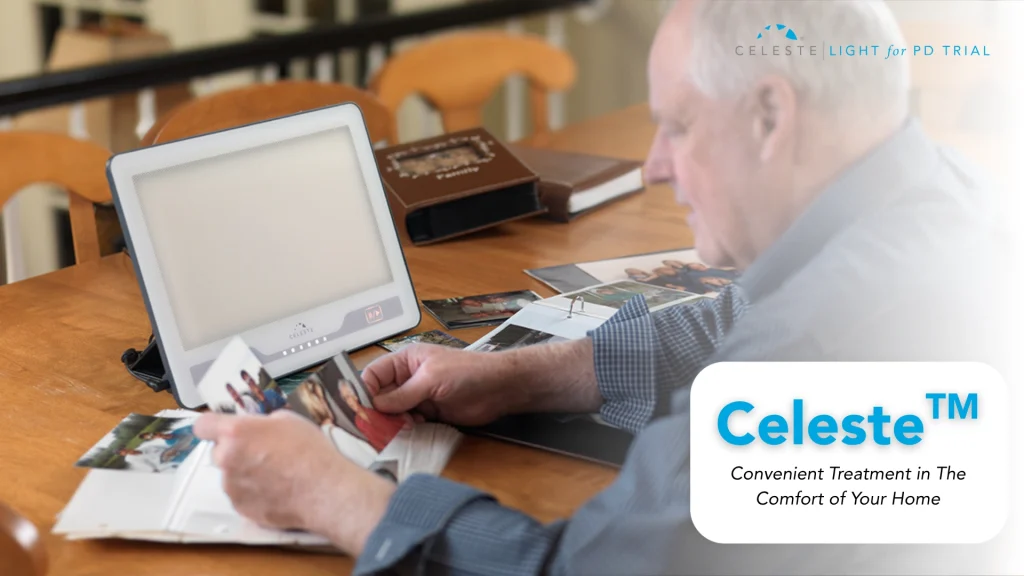
In contrast to traditional medications, an emerging non-drug approach being actively studied involves light-based therapy. The Celeste® device by Photopharmics is designed to deliver a specific spectrum of light, offering a novel way to support circadian rhythm regulation—a key factor often disrupted in Parkinson’s disease. It potentially works by delivering a specific spectrum of light designed to be used twice a day. This light targets photoreceptors in the eye that are crucial for managing the body’s internal clock, a system often disrupted in Parkinson’s disease. By helping to reset and stabilize the circadian rhythm, such devices could potentially improve the entire sleep-wake cycle, leading to more consolidated nighttime sleep and reduced daytime sleepiness. This represents a novel approach that aims to correct one of the primary underlying causes of sleep disturbance in PD.
The Path Forward: Integrated Care and Hope Through Research
Managing sleep in Parkinson’s disease is not a one-time fix; it’s a long-term, collaborative process. The most effective approach is a holistic and hierarchical one that starts with foundational strategies and moves systematically to address the root causes of sleep disruption before resorting to sleeping pills.
This requires an integrated care team—including a neurologist, sleep specialist, physical therapist, and mental health professional—working together with an empowered patient and their family.
The future is bright with promise. The discovery of RBD as an early sign of PD has opened a new frontier in the search for neuroprotective therapies that could one day slow or even prevent the disease. Research into novel treatments like precisely timed bright light therapy and non-invasive brain stimulation continues to advance. By viewing sleep not as a secondary issue but as a central, modifiable component of Parkinson’s, we can improve not only the nights but also the days, enhancing brain health, daily function, and overall quality of life for everyone affected by the disease.
A New Light on Parkinson’s
The science of light as a therapy for sleep and other non-motor symptoms in Parkinson’s disease is one of the most exciting areas of research today. If you or a loved one is struggling with the nocturnal challenges of Parkinson’s, there is hope and an opportunity to be part of the solution.
Photopharmics, a clinical-stage therapeutics company, is leading research into light-based interventions that aim to target the root causes of disrupted sleep and other non-motor symptoms in Parkinson’s. Unlike traditional therapies, this approach is designed to work with the body’s natural rhythms—non-invasively and without pharmaceuticals. This therapy aims to potentially improve sleep, reduce daytime sleepiness, and alleviate other debilitating non-motor symptoms like fatigue and depression.
To validate and advance this promising treatment, Photopharmics is conducting the “Light for PD” clinical trial. This is your chance to contribute to groundbreaking research that could change the way Parkinson’s is managed.
To learn more about this innovative therapy and to see if you or a loved one may be eligible to participate in the trial, please visit the Photopharmics website. Your participation could help illuminate a better future for the entire Parkinson’s community.
Welcome back to our exploration of groundbreaking advancements in Parkinson’s Disease (PD) treatment.
In Part 1, we dived into the potential of light therapy, other innovative non-pharmacological approaches like Focused Ultrasound and Transcranial Magnetic Stimulation, novel rehabilitation strategies, and the evolving landscape of drug candidates targeting core PD pathologies like alpha-synuclein, neuroinflammation, and specific genetic links.
Now, we turn our attention to even more revolutionary frontiers: biological game-changers like gene and stem cell therapies, and the incredible impact of technology in reshaping Parkinson’s care.
Biological Game-Changers: Gene and Stem Cell Therapies For Parkinson’s
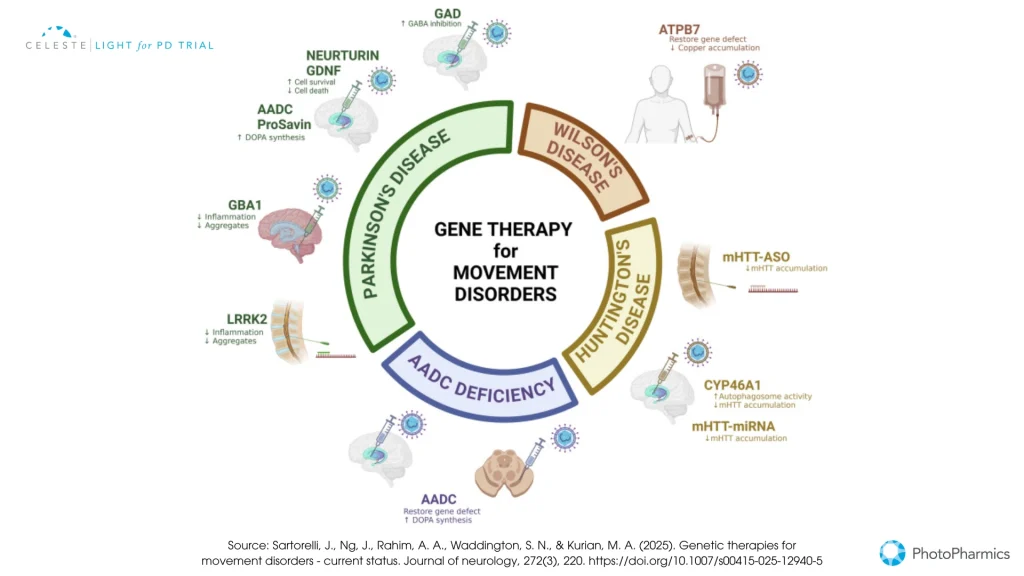
Gene Therapy
This approach involves delivering genetic material directly into specific brain cells to either restore a lost function, enhance the production of beneficial proteins, or correct a genetic defect.
Dopamine Replacement Strategies: Some gene therapies aim to help the brain produce more dopamine by delivering genes like AADC (which converts levodopa to dopamine) or a combination of genes needed for dopamine synthesis (e.g., ProSavin, AXO-Lenti-PD).
Neurotrophic Factors: Others focus on delivering genes that produce protective proteins like GDNF (Glial Cell Line-Derived Neurotrophic Factor), such as AskBio’s AB-1005 (currently in a Phase 2 trial), to shield dopamine neurons from further damage and potentially encourage recovery.
Targeting Genetic Forms: For Parkinson’s linked to GBA1 mutations, gene therapies like PR001 (in Phase 1/2) aim to deliver a healthy copy of the GBA1 gene. These therapies typically use modified, harmless viruses (like AAV or lentivirus) as delivery vehicles and require neurosurgical procedures.
Stem Cell Therapy For Parkinson’s:
The goal here is bold: to replace the dopamine-producing neurons that have been lost.
How it works: Scientists now take pluripotent stem cells—either human embryonic stem cells, hESCs, or induced pluripotent stem cells, iPSCs, derived from a patient’s own skin or blood. In the lab, they coax these cells to become young dopamine neurons. These new neurons are then surgically transplanted into the brain, usually the putamen.
Current Status: Several teams worldwide are conducting early-phase clinical trials.
BlueRock Therapeutics’ bemdaneprocel, derived from hESCs, has shown promising safety and initial efficacy signals in its Phase 1 trial, with some patients experiencing notable motor improvements and evidence of the transplanted cells surviving and functioning. A larger Phase 3 trial is anticipated.
Aspen Neuroscience’s ANPD001 and a trial at McLean Hospital/Mass General Brigham are pioneering the use of autologous iPSCs (using the patient’s own cells), which avoids the need for immunosuppression. Early results from Aspen’s trial have also been positive regarding safety and initial motor benefits. While incredibly promising, stem cell therapy is still in its early days. Long-term efficacy, the ideal cell type and dosage, and managing potential side effects like graft-induced dyskinesia are key areas of ongoing research.
The progress in these pharmacological and biological frontiers is rapid, bringing the possibility of treatments that not only manage symptoms but also fundamentally alter the course of Parkinson’s disease closer than ever before.
Technology Leading the Way: DBS, Wearables, and AI in Parkinson’s
Technological advancements are profoundly reshaping how Parkinson’s disease is understood, managed, and treated, offering more personalized and precise interventions.
Innovations in Deep Brain Stimulation (DBS)
DBS has been a valuable treatment for advanced Parkinson’s for years, but it’s continuously improving.
Adaptive DBS (aDBS) or Closed-Loop DBS: This is a major leap forward. Systems like Medtronic’s Percept™ PC with BrainSense™ technology, which recently received FDA approval, can sense and record brain signals (Local Field Potentials, or LFPs, particularly beta-band activity associated with Parkinson’s symptoms). The device then automatically adjusts the stimulation in real-time. This personalized approach aims to deliver optimal symptom control only when needed, potentially reducing side effects like speech issues or dyskinesia, and extending battery life. The ADAPT-PD trial supported its approval, demonstrating its safety and effectiveness.
Enhanced Precision:Directional leads allow clinicians to “steer” the electrical current more precisely to the target area, avoiding stimulation of nearby structures that could cause side effects.Image-guided programming (IGP), using patient-specific MRI scans and models of the volume of tissue activated, helps clinicians optimize stimulation settings more efficiently, often leading to better outcomes, especially for those who had a suboptimal response to initial programming. Remote programming capabilities are also becoming more common, allowing for adjustments via telehealth and improving access to care.
Wearable Devices in Parkinson’s: Beyond the Clinic Walls
Wearable technology is empowering both patients and clinicians with continuous, real-world data.
Symptom Monitoring: Small sensors (accelerometers, gyroscopes) worn on the body can track motor symptoms like tremor, bradykinesia (slowness), dyskinesia, and gait disturbances throughout the day. This objective data can help in fine-tuning medication timing and DBS settings, providing a clearer picture of how symptoms fluctuate.
Drug Delivery: Innovation isn’t just in monitoring. In February 2025, the FDA approved “Onapgo,“ a wearable device that continuously delivers the drug apomorphine hydrochloride subcutaneously. This offers a new way to manage “off” episodes in advanced Parkinson’s, providing more consistent symptom control.
Artificial Intelligence (AI): The Smart Partner in Parkinson’s Care
Earlier and More Accurate Diagnosis: AI algorithms are being trained to detect subtle, early signs of Parkinson’s that might be missed by human observation. This includes analyzing voice patterns (changes in pitch, clarity, or speed), subtle shifts in gait captured by sensors or even video, and even changes in handwriting or typing patterns. The goal is to identify the disease at its earliest stages when interventions might be most effective.
Personalizing Treatment Strategies: As seen with aDBS, AI can interpret complex biological data to tailor treatments. It can also help predict which patients might respond best to certain medications or interventions and assist in optimizing drug dosages or rehabilitation plans.
Accelerating Drug Discovery and Research: AI can sift through vast amounts of genetic, molecular, and clinical trial data to identify new potential drug targets, repurpose existing drugs for Parkinson’s, or design more efficient clinical trials. Initiatives like Grifols’ Chronos-PD are using AI to analyze plasma samples to find biomarkers that could predict Parkinson’s before symptoms even appear.
These technological tools are not just futuristic concepts; they are increasingly being integrated into clinical practice and research, heralding an era of more precise, data-driven, and patient-centered Parkinson’s care.
Navigating the Path Forward with Hope
The journey with Parkinson’s disease is undoubtedly challenging, but as we’ve explored, the horizon is bright with innovation. From the gentle promise of light therapy and the precision of focused ultrasound to the transformative potential of gene and stem cell therapies, and the smart assistance of AI and advanced DBS, researchers are leaving no stone unturned.
These advancements represent more than just scientific curiosity; they are fueled by a collective global effort to improve the lives of those affected by Parkinson’s and their families.
While many of these treatments are still in various stages of research and development, the pace of discovery is accelerating.
It’s crucial for patients and caregivers to stay informed and maintain an open dialogue with their healthcare team about new and emerging treatment options that might be relevant.
Participating in clinical trials, when appropriate, is also a vital way to contribute to this progress. The path to conquering Parkinson’s is a marathon, not a sprint, but with each new discovery and every dedicated researcher, clinician, patient, and caregiver, we move closer to a future where this disease no longer dictates the terms.
Hope is not just a sentiment; in the world of Parkinson’s research, it is an active, driving force.
Be Part of the Future of Parkinson’s Care with Celeste™
The future of non-invasive Parkinson’s therapy is here — and you could be part of it.
PhotoPharmics’ Light for PD™ trial is currently evaluating Celeste™, a breakthrough light therapy device designed to improve non-motor symptoms of Parkinson’s disease, such as poor sleep, fatigue, mood, and cognitive challenges.
What makes it different? — It’s non-invasive and used from the comfort of home — Designed specifically for people with Parkinson’s — Part of a fully remote clinical trial, open to eligible participants across the U.S.
If you or a loved one is living with Parkinson’s and is interested in advancing treatment options that go beyond medication, we invite you to learn more about the Light for PD™ trial.
Visit lightforpd.com to check your eligibility and see how you can join the trial.
Help us move closer to better, more holistic care for Parkinson’s.
Innovations in Parkinson’s Treatment: Exploring Light Therapy and Beyond
Living with Parkinson’s disease presents daily challenges, not just for those diagnosed but also for their families and caregivers.
It’s a journey that requires resilience, adaptation, and a strong support system. While a cure remains the ultimate goal, the landscape of Parkinson’s treatment is far from static.
Dedicated researchers around the world are tirelessly working on innovative therapies. These efforts offer new hope for managing symptoms and potentially slowing disease progression.
This isn’t just about refining old methods; it signifies a shift towards exploring entirely new avenues. These avenues range from harnessing the power of light to pioneering biological interventions and leveraging cutting-edge technology.
This blog post will take you through some of the most exciting advancements on the horizon. It offers a glimpse into a future where managing Parkinson’s could look very different.
Remember, the field is dynamic, and while some of these innovations are still investigational, they represent the leading edge of scientific discovery aimed at improving lives.
A New Spectrum of Hope: Regulating the Body’s Clock
While motor symptoms are the most visible signs of Parkinson’s, the non-motor symptoms—such as poor sleep, depression, and debilitating fatigue—can be just as, if not more, impactful on daily life.
A groundbreaking area of research is now targeting the root cause of many of these issues: a disrupted internal body clock, or circadian rhythm.
This innovative approach moves away from pharmacological solutions. It asks a different question: what if we could use light itself to help restore the body’s natural balance?
In a healthy individual, the body’s master clock is located in a brain region called the suprachiasmatic nucleus (SCN). It is synchronized by light signals received through the eyes. This light-regulated process influences our sleep-wake cycle, mood, and energy levels. Unfortunately, dopamine loss in Parkinson’s disrupts this system and triggers many non-motor symptoms.
The therapeutic solution is a specialized, non-invasive phototherapy device, such as the Celeste® device. It works by delivering specific, spectrally-opposed wavelengths of light to the user at programmed times of the day.
This light is not ordinary; it’s highly calibrated. It targets specific retinal cells that signal the brain’s master clock. The goal is to gently and effectively regulate and reset the user’s circadian rhythm without drugs.
By restoring a more normal day/night cycle, this therapy aims to produce a domino effect of positive benefits. A well-regulated circadian rhythm can lead to improved sleep consolidation and quality.
In turn, better sleep is foundational to improving mood, reducing the burden of depression, increasing daytime energy, and sharpening cognitive function. This approach tackles the underlying dysfunction rather than just masking the individual symptoms.
This therapy is the subject of the “Celeste Light for PD Trial,” a large Phase 3 study evaluating its effectiveness in Parkinson’s. Unlike many investigational treatments, this therapy is designed to be used at home, integrating seamlessly into a person’s daily routine.
Generally, this form of phototherapy is considered very safe. It represents a beacon of hope for managing the challenging non-motor symptoms of Parkinson’s, offering a non-pharmacological approach that could complement existing treatments.
However, more large-scale, rigorously controlled clinical trials like the Light for PD study are essential to confirm its efficacy before it can become a mainstream option.
While light therapy charts a novel path, other non-drug treatments are also evolving, offering new ways to manage Parkinson’s symptoms.
Focused Ultrasound: A Novel Parkinson’s Treatment Approach
Imagine a surgical outcome without the scalpel. That’s the promise of MR-guided Focused Ultrasound. This FDA-approved technology uses intersecting ultrasound beams, guided by real-time MRI. It precisely heats and destroys a small target area in the brain, causing motor symptoms.
For Parkinson’s, FUS can target the Ventral Intermediate Nucleus (VIM) of the thalamus, primarily to alleviate medication-refractory tremor, or the Globus Pallidus Interna (GPi) to address other motor issues like stiffness, slowness, and dyskinesia. The major advantage is that it’s incisionless, offering immediate symptom relief for many.
However, the lesion created by Focused Ultrasound is permanent. For this reason, the procedure is typically done on only one side of the brain to minimize risks like speech or swallowing issues.
Research is ongoing to refine this technology and explore its potential for temporarily opening the blood-brain barrier to facilitate drug delivery.
Transcranial Magnetic Stimulation (TMS)
TMS is another non-invasive technique that uses magnetic pulses to gently modulate the activity of specific brain regions. Depending on the frequency and pattern of the pulses, TMS can either excite or inhibit neuronal activity. For Parkinson’s, it’s being investigated for various motor symptoms, particularly for improving gait and reducing Freezing of Gait (FOG).
Non-motor symptoms like depression (for which it has FDA approval) and cognitive issues are also being targeted. Some deep TMS systems have gained regulatory approval outside the US for Parkinson’s motor symptoms.
While generally safe, the benefits of TMS can sometimes be temporary, and researchers are working to optimize treatment protocols for longer-lasting effects.
Novel Rehabilitation Strategies
Rehabilitation remains a cornerstone of Parkinson’s care, and it too is undergoing an innovation wave. There’s a growing emphasis on holistic, personalized programs that integrate traditional therapies with new technologies.
Virtual and Augmented Reality (VR/AR) systems are changing how people with Parkinson’s approach exercise. They create engaging, game-like environments to make movement fun. These tools help improve motor control, balance, and even cognitive engagement during physical activity.
Robotics are being used to provide intensive, repetitive training for gait and upper limb function, offering consistent and quantifiable therapy.
Specialized exercise programs like LSVT BIG® (for movement amplitude) and LSVT LOUD® (for voice power) continue to show strong evidence for improving motor and speech functions.
Dual-task training, which involves performing a cognitive task while executing a motor task, is gaining traction to address the difficulties many people with Parkinson’s experience with divided attention.
Mind-body interventions like Tai Chi, yoga, and mindfulness meditation are also being recognized for their benefits in improving balance, flexibility, mood, and overall quality of life.
These innovative non-pharmacological approaches offer valuable alternatives and adjuncts to medication, empowering individuals to take an active role in managing their condition.
Advancements in Drug-Based Parkinson’s Treatment
The search for better medications and biological therapies is at the heart of Parkinson’s research, with a significant shift towards treatments that could potentially slow or even halt disease progression, rather than just managing symptoms.
This protein, which misfolds and clumps together to form Lewy bodies, is a hallmark of Parkinson’s. Many new drugs aim to tackle it directly.
Immunotherapies: This approach involves several strategies. Vaccines aim to train the immune system. They help it recognize abnormal alpha-synuclein. The goal is to clear this protein. An example is UB-312. It showed target engagement in early trials. Monoclonal antibodies are another method. These are directly administered. They bind to the problematic protein. This helps remove alpha-synuclein. Prasinezumab is one example. It has shown some positive signals in Phase 2 trials.
Neuroinflammation and Mitochondrial Health:
Chronic inflammation in the brain and dysfunction in the mitochondria (the cell’s energy factories) are recognized as key contributors to Parkinson’s progression.
Drugs targeting the NLRP3 inflammasome (an inflammatory complex), such as Dapansutrile (currently in Phase 2), aim to quell this damaging inflammation.
c-ABL inhibitors, like Risvodetinib and Vodobatinib (both in Phase 2 trials and showing good brain penetration), are being investigated for their potential to protect neurons by reducing oxidative stress and improving the clearance of alpha-synuclein.
Genetic Clues Paving New Paths:
For individuals with specific genetic links to Parkinson’s, more personalized treatments are emerging.
GBA1 Gene Mutations: These are a significant risk factor. Therapies aim to boost the activity of the GCase enzyme, which is deficient in these individuals. Ambroxol (a repurposed cough medicine) is in a large Phase 3 trial (ASPro-PD), and BIA 28-6156 is a GCase activator currently in Phase 2.
LRRK2 Gene Mutations: Several companies are developing LRRK2 kinase inhibitors, with some candidates now in clinical trials.
Repurposed and Novel Mechanisms:
GLP-1 Receptor Agonists: Originally developed for type 2 diabetes, drugs like Lixisenatide have shown promise in a Phase 2 trial by appearing to slow motor symptom progression in Parkinson’s. Other drugs in this class (e.g., Semaglutide) are also under investigation, although Exenatide did not meet its primary endpoint in a recent Phase 3 study.
GLP-1 Receptor Agonists: Originally developed for type 2 diabetes, drugs like Lixisenatide have shown promise in a Phase 2 trial by appearing to slow motor symptom progression in Parkinson’s. Other drugs in this class (e.g., Semaglutide) are also under investigation, although Exenatide did not meet its primary endpoint in a recent Phase 3 study.
Looking Ahead: Part 2 and a Vital Clinical Trial Opportunity
In Part 2 of “Innovations in Parkinson’s Treatment,” we will delve into the exciting realms of gene and stem cell therapies – biological game-changers that aim to restore lost function or protect remaining neurons.
We’ll also explore how cutting-edge technology, including advanced Deep Brain Stimulation (DBS), wearable devices, and the transformative power of Artificial Intelligence (AI), is reshaping how Parkinson’s is understood, managed, and treated.
Want to be part of pioneering research for Parkinson’s non-motor symptoms?
The “Light for PD” clinical trial, testing the Celeste phototherapy device, is making significant strides with over 200 patients already enrolled! This crucial study is nearing its final stages. If you or a loved one with PD is interested in exploring this non-invasive approach to manage non-motor symptoms like poor sleep, depression, and fatigue, now is the critical time to act.
Don’t miss your chance to contribute.
Learn more and inquire about joining the Light for PD trial before enrollment closes: https://www.lightforpd.com/
Parkinson’s Disease (PD) has long been associated with its cardinal motor symptoms: the tell-tale tremor, the stiffness that creeps in, the slowness of movement that makes everyday tasks a challenge, and the precarious dance of balance.
These are the signs that often lead to a diagnosis, the outward manifestations of a neurodegenerative process unfolding within the brain. However, the reality of Parkinson’s is far more nuanced, its onset is often heralded by subtle, seemingly unrelated changes that can precede the hallmark motor symptoms by months, years, or even decades.
Recognizing these early whispers, the subtle signs before the storm of motor impairment truly begins is becoming increasingly crucial for earlier detection, potential future interventions, and a more holistic understanding of this complex condition.
What Happens in Parkinson’s Before the Tremors?
For too long, the narrative around Parkinson’s has been dominated by its motor presentation. This focus, while understandable given the visible impact of these symptoms, has often overshadowed the significance of the non-motor changes that can act as early harbingers of the disease.
These subtle shifts in bodily function, sensory perception, and even mood can be easily dismissed as age-related quirks, the effects of stress, or indicators of other, more common ailments.
Yet, for a significant portion of individuals who will eventually be diagnosed with Parkinson’s, these seemingly innocuous changes are the first whispers of a neurodegenerative process already underway.
Understanding these early warning signs is not merely an academic exercise; it holds the potential to revolutionize our approach to Parkinson’s.
Earlier detection could pave the way for future neuroprotective therapies, and interventions aimed at slowing or even halting the disease’s progression before significant neuronal loss occurs.
Furthermore, recognizing these early symptoms can empower individuals to seek medical attention sooner, potentially leading to earlier symptom management and improved quality of life, even if disease-modifying treatments are not yet available.
So, what are these subtle clues, these whispers that might indicate the very early stages of Parkinson’s?
While the constellation of early symptoms can vary from person to person, several stand out as being more frequently reported and increasingly recognized as potential prodromal markers of the disease:
The earliest changes occur when the brain’s dopamine-producing neurons—critical for controlling movement—begin to deteriorate silently.
But Parkinson’s also impacts parts of the nervous system that regulate sleep, smell, digestion, mood, and cognition.
This means that many of the first signs of PD show up outside of movement. These are called non-motor symptoms, and understanding them can offer the first clue that something deeper is happening.
Often dismissed as a consequence of a common cold or allergies, a persistent and unexplained decline in the ability to detect odors can be a significant early indicator.
The olfactory bulbs, the brain regions responsible for processing smell, are among the first areas affected by the accumulation of alpha-synuclein, the protein hallmark of Parkinson’s. Studies have shown that a significant percentage of individuals newly diagnosed with PD report experiencing a loss of smell, often years before the onset of motor symptoms.
While not everyone with anosmia will develop Parkinson’s, its presence, especially when accompanied by other subtle changes, warrants attention.
2. Constipation
Changes in bowel habits, particularly the development of chronic constipation, are another frequently reported early symptom of Parkinson’s. The enteric nervous system, the network of nerves in the gut, is also affected by the accumulation of alpha-synuclein.
This can lead to a slowing of gut motility and subsequent constipation, often occurring years before motor symptoms manifest. While constipation is a common ailment with various causes, its persistent and unexplained onset, particularly in younger individuals without other obvious contributing factors, should raise a degree of suspicion.
Some experts believe that Parkinson’s may even start in the gut and migrate to the brain.
3. Sleep Disturbances (Especially REM Sleep Behavior Disorder)
REM Sleep Behavior Disorder (RBD) is a fascinating and often vivid early warning sign. During the Rapid Eye Movement (REM) sleep stage, our bodies are typically paralyzed, preventing us from acting out our dreams.
In RBD, this paralysis is absent, leading individuals to physically act out their dreams, sometimes violently, potentially causing injury to themselves or their bed partners. Vivid dreams, talking or yelling during sleep, and even physically acting out dreams are strong predictors of Parkinson’s later in life.
RBD is strongly linked to an increased risk of developing synucleinopathies, including Parkinson’s and Lewy body dementia. A significant proportion of individuals with RBD will eventually go on to develop one of these conditions, often years after the onset of RBD
4. Depression and Anxiety
Subtle shifts in mood, particularly the emergence of depression and anxiety, can also precede the motor symptoms of Parkinson’s. These mood changes are not simply a reaction to the eventual diagnosis but are believed to be a direct consequence of the neurochemical changes occurring in the brain.
Alterations in dopamine, serotonin, and other neurotransmitter systems, even in the early stages of the disease, can contribute to feelings of sadness, apathy, and heightened anxiety.
While mood disorders are common, their new onset or a significant change in their pattern, especially when accompanied by other potential early signs, should be considered within the broader clinical picture.
Depression isn’t just a reaction to Parkinson’s—it can actually precede diagnosis.
5. Fatigue
Persistent exhaustion that doesn’t improve with rest is another early non-motor symptom. Fatigue can feel overwhelming and may occur well before diagnosis, impacting daily life and energy levels. It can make even simple activities feel disproportionately difficult, affecting work performance, social engagement, and motivation.
Unlike ordinary tiredness, Parkinson ’s-related fatigue often doesn’t resolve with sleep, making it a persistent and frustrating challenge for many.
Early Motor Symptoms: The First Physical Signs of Parkinson’s
While non-motor symptoms often appear first, early motor changes are still critical clues.
1. Smaller Handwriting (Micrographia)
People may notice their handwriting becoming small and cramped, a condition known as micrographia. This subtle change, often appearing gradually, is one of the earliest motor symptoms and can occur even before noticeable tremors manifest.
It can start with just a few words shrinking on a page and may progress over time. Paying attention to such fine motor skill changes can be an important clue for early detection.
2. Slowness of Movement (Bradykinesia)
Everyday tasks—like buttoning a shirt or walking—become noticeably slower and require more conscious effort than before. This slowness of movement, known as bradykinesia, is a hallmark of Parkinson’s and is often one of the first movement-related symptoms to emerge.
It can manifest as a general feeling of sluggishness or difficulty initiating movements. Over time, bradykinesia can impact a wide range of activities, making routine tasks increasingly challenging.
3. Subtle Changes in Walking or Posture
A slight shuffle in their walk, a noticeable decrease in the natural swing of their arms while walking, or the development of a subtly hunched posture may appear early on. These changes in gait and posture can be gradual and easily overlooked initially.
Often, family members, close friends, or observant colleagues notice these subtle physical alterations before the individual experiencing them becomes consciously aware. Bringing these observations to the attention of a healthcare professional can be a valuable step in the early identification process.
4. Facial Masking
Reduced facial expression—sometimes called “facial masking” or hypomimia—can cause people with early Parkinson’s to look serious, sad, or even depressed even when they feel perfectly fine internally. This flattening of affect is a subtle but noticeable change in how emotions are outwardly conveyed.
It’s a direct result of the reduced automatic muscle movement in the face, making it harder to display a full range of expressions spontaneously. Your loved ones might comment that the person seems less animated or expressive, even in joyful situations.
5. Softer Voice
Subtle alterations in speech patterns, such as a softer voice (hypophonia) or a more monotone delivery, can also be early indicators. These changes, often not readily apparent to the individuals themselves, might be noticed by close family members or friends.
They are thought to be related to early changes in the motor control of the vocal cords and respiratory muscles.
(Source: Parkinson’s Foundation)
Why Recognizing Early Symptoms of Parkinson’s Matters?
The significance of recognizing subtle early warning signs of Parkinson’s cannot be overstated. While having one or even several of these symptoms does not definitively mean someone will develop Parkinson’s, their co-occurrence and persistence—especially without other clear causes—should prompt consultation with a neurologist.
Why does early recognition matter?
Subtle symptoms can precede obvious motor issues by years.
Co-occurring non-motor changes often hint at underlying neurological shifts.
Seeking timely evaluation may lead to better monitoring and management.
Increased awareness among the general public and healthcare professionals is crucial. Educating individuals about the significance of these minor changes can empower them to seek medical advice early. For clinicians, understanding these early signs can mean faster referral to specialists and the chance to initiate monitoring strategies sooner.
What Should You Do If You Notice Early Symptoms?
If you or someone you know shows a combination of these symptoms:
Make an appointment with a neurologist—preferably one specializing in movement disorders.
Keep a written log of symptoms to share with your doctor.
Ask about seeing a physical therapist, occupational therapist, or speech therapist even before diagnosis to maintain function and confidence.
Stay active and pursue an exercise program tailored for brain health. Seek emotional support—both counseling and peer groups can make a difference.
(Source: Parkinson’s Foundation)
Conclusion: Don’t Wait for the Tremor
Parkinson’s disease is often thought of as a “movement disorder.” But the truth is, the journey starts quietly—long before the first visible tremor.
If we start recognizing the early warning signs, we can push toward earlier diagnoses, better treatment plans, and improved outcomes for those affected.
Awareness is power. Trust your instincts. Seek answers early.
And always remember: Parkinson’s does not define a person—early action empowers them.
Interested In New Ways To Manage Parkinson’s Non-Motor Symptoms?
Beyond the motor challenges of Parkinson’s, non-motor symptoms such as sleep disturbances, mood disorders, and fatigue can significantly impact quality of life. As research advances in diagnosing Parkinson’s, innovative approaches are also emerging to help manage the condition’s impact.
This non-invasive, at-home therapy offers a promising option to improve the quality of life for those living with PD. By targeting symptoms such as sleep disturbances and mood changes, Light for PD provides a gentle, science-backed way to complement existing treatment plans.
If you or someone you know is navigating Parkinson’s, consider joining this trial to explore a new pathway to relief.
For more information to check your eligibility, visit www.lightforpd.com.
Living with Parkinson’s disease presents a unique set of challenges, both physically and emotionally.
While medication plays a crucial role in managing the condition, a holistic approach that incorporates various lifestyle adjustments and self-care strategies can significantly improve your health, well-being, and overall quality of life.
This comprehensive guide explores ten key ways individuals living with Parkinson’s disease can actively manage their symptoms, preserve physical function, and embrace a more fulfilling life.
1. Engage in Regular Physical Activity: Moving Your Body, Empowering Your Life
Research overwhelmingly suggests that regular exercise has a profound positive impact on both the motor and non-motor symptoms of Parkinson’s disease.
There are core elements that should be included in a well-rounded exercise regimen for individuals with Parkinson’s:
Aerobic Exercise: Activities that elevate your heart rate, such as brisk walking, swimming, or cycling, improve cardiovascular health and endurance.
Strength Training: Exercises like lifting weights or using resistance bands help maintain muscle mass and strength, crucial for daily activities.
Balance Exercises: Practices such as Tai Chi, yoga, and specific balance drills can significantly improve stability and reduce the risk of falls.
Stretching and Flexibility: Activities like stretching exercises, yoga, or Pilates help maintain range of motion and reduce muscle stiffness.
The key is to find activities you enjoy and can consistently incorporate into your routine. Start slowly, listen to your body, and always consult with your healthcare professional or a physical therapist before beginning a new exercise program. Noticing how your body responds to different types of movement can also be a subtle way to assess changes in your condition.
Benefits of Exercise for Parkinson’s Patients:
Maintains and improves mobility and balance.
Helps manage stiffness and tremors.
Boosts mood and energy levels.
Makes everyday tasks easier to accomplish.
Promotes overall physical and mental well-being.
Tips for Staying Motivated:
Set small, achievable goals and celebrate your progress.
Track your activity to visualize your accomplishments.
Make exercise enjoyable by choosing activities you genuinely like.
Join a class or exercise with a friend for social support and accountability.
2. Maintain a Balanced Diet: Nourishing Your Body and Mind from Within
A balanced and nutritious diet is an indispensable component of Parkinson’s disease self-care. It provides the essential building blocks for energy, supports muscle and bone health, and positively impacts both physical and mental well-being.
Research even suggests that a healthy diet, rich in fresh vegetables, olive oil, nuts, seeds, and coconut oil, may slow the progression of Parkinson’s disease and ease some symptoms.
Nutritional Needs Specific to Parkinson’s Disease:
Fiber: Increase intake of fiber-rich foods like whole grains, fruits, vegetables, and legumes to help address constipation, a common symptom.
Hydration: Drink at least six to eight cups of water or non-caffeinated fluids daily to support digestion and overall bodily functions.
Calcium and Vitamin D: Ensure adequate intake through low-fat dairy, dark green vegetables, fortified foods, and fatty fish to maintain bone health.
Protein: Consume healthy protein sources throughout the day, being mindful of potential interactions with certain Parkinson’s medications (discuss timing with your doctor).
Antioxidants: Include plenty of fruits and vegetables rich in antioxidants to support cellular health.
Foods to Include and Avoid:
Include: Whole grains, lean proteins, omega-3 fatty acids (found in fatty fish and flaxseeds), and a wide variety of colorful fruits and vegetables.
Limit: Processed foods, excessive sugar, saturated fats, alcohol, and excessive caffeine. Reduce salt intake to support heart and brain health.
Meal Planning Tips:
Plan your meals and snacks in advance to ensure you’re consuming nutritious foods.
Prepare nutrient-dense, easy-to-chew and swallow foods.
Use simple, manageable recipes to save time and energy.
Consider keeping a food diary to track your intake and identify any patterns related to your symptoms or medication effectiveness. Pay attention to any digestion changes or unexplained weight loss and consult your doctor if needed.
3. Prioritize Mental Health: Nurturing Emotional Well-being During Parkinson’s
Mental health is a cornerstone of Parkinson’s disease self-care. Managing emotions like stress, anxiety, and depression is crucial for overall well-being and can significantly impact your ability to cope with physical symptoms and daily demands. Prioritizing mental health can improve focus, motivation, and ultimately, your quality of life.
Managing Stress and Anxiety:
Practice relaxation techniques such as deep breathing exercises, meditation, or mindfulness.
Establish a structured daily routine to provide a sense of predictability and control.
Engage in enjoyable activities and hobbies to shift your focus and reduce mental strain.
Techniques for Emotional Well-Being:
Stay connected with loved ones and express your feelings openly.
Set achievable goals to foster a sense of accomplishment.
Consider journaling to process your emotions and track your well-being.
Engage in light physical activities to boost mood and reduce stress.
Seeking Professional Support:
Don’t hesitate to reach out to mental health professionals for therapy or counseling if feelings of stress, anxiety, or depression persist.
Join Parkinson’s disease support groups to connect with others who understand your experiences and share coping strategies.
4. Ensure Adequate Sleep: Restoring Your Body and Mind
Quality sleep is vital for managing energy levels and Parkinson’s disease symptoms. Disrupted sleep can exacerbate motor and non-motor symptoms, making daily activities more challenging. Establishing healthy sleep habits is a crucial aspect of self-care.
Common Sleep Issues in Parkinson’s Patients:
Insomnia (difficulty falling or staying asleep).
REM sleep behavior disorder (acting out dreams).
Restless legs syndrome (uncomfortable sensations in the legs).
Frequent nighttime awakenings.
Strategies for Improving Sleep Quality During Parkinson’s:
Maintain a regular sleep schedule, going to bed and waking up around the same time each day.
Avoid caffeine and alcohol, especially in the evening.
Create a quiet, dark, and cool sleeping environment.
Establish a relaxing bedtime routine, such as taking a warm bath, reading, or listening to calming music.
Engage in gentle stretches or relaxation exercises before bed.
Limit daytime naps, especially long or late-afternoon naps.
When to Consult a Sleep Specialist:
Talk to your doctor if sleep problems persist, worsen, or significantly interfere with your daily life. They may recommend a sleep specialist for further evaluation and management.
5. Stay Socially Connected: Nurturing Relationships and Combating Isolation During Parkinson’s
Social interaction plays a powerful role in how individuals cope with Parkinson’s disease. Maintaining connections with friends and family, participating in community activities, or joining hobby groups can significantly reduce feelings of isolation and provide crucial emotional support.
Importance of Social Interaction:
Provides a sense of connection and belonging.
Lifts mood and offers fresh perspectives.
Stimulates attention and memory.
Strengthens neural networks and improves overall brain health.
Ways to Stay Connected with Friends and Family:
Schedule regular calls or visits with loved ones.
Meet for coffee, meals, or shared activities.
Keep communication open about how you’re feeling and what you need.
Joining Support Groups:
Connect with others who understand the challenges of living with Parkinson’s disease.
Share experiences, learn coping strategies, and build a supportive community.
Your healthcare professional can help you find local support groups, or you can search online resources.
6. Practice Mindfulness and Relaxation Techniques: Cultivating Inner Calm
Managing Parkinson’s isn’t solely about physical health; mental well-being is equally important. Stress and anxiety can often worsen symptoms. Practicing mindfulness and relaxation techniques can help bring a sense of calm, and control, and improve focus, mood, and overall quality of life.
Benefits of Mindfulness for Parkinson’s Patients:
Helps you stay present in the moment, reducing worry about the future.
Eases stress and anxiety, which can exacerbate symptoms.
Improves focus and emotional balance.
Promotes a greater sense of control over your thoughts and feelings.
Simple Relaxation Exercises:
Deep Breathing: Inhale slowly through your nose, hold for a few seconds, and exhale slowly through your mouth. Repeat several times.2
Progressive Muscle Relaxation: Tense and then release each muscle group in your body, starting from your toes and working your way up.3
Quiet Time: Spend a few minutes each day in a quiet space, focusing on your breath or simply being present.
Incorporating Mindfulness into Daily Routine:
Start your morning with a few deep breaths.
Focus on your movements while walking or performing daily tasks.
Take short breaks throughout the day to notice your surroundings and engage your senses.
7. Manage Medications Effectively: Partnering with Your Healthcare Team
Medications are a vital tool in managing Parkinson’s disease symptoms, helping to maintain motor function and regulate mood. Understanding your medication regimen and adhering to it consistently is crucial for effective symptom control.
Understanding Your Medication Regimen:
Take the time to learn about each of your medications: what it does, when to take it, and potential side effects.
Don’t hesitate to ask your doctor or pharmacist any questions you have about your medications.
Tips for Adherence and Managing Side Effects:
Set reminders or use a pill organizer to help you stay on schedule.
Pay close attention to any side effects you experience and keep a record of them.
Communicate any concerns or new symptoms to your doctor; they may be able to adjust dosages or suggest alternative medications.
Communicating with Healthcare Providers:
Maintain open and honest communication with your neurologist and other healthcare providers.
Keep them updated on how you’re feeling, any changes in your symptoms, and any challenges you’re facing with your medications.
Ask questions if anything is unclear; being an active participant in your care is essential.
8. Adapt Your Living Environment: Creating a Safe and Supportive Space
Making modifications to your home environment can significantly enhance safety, comfort, and independence for individuals living with Parkinson’s disease. The goal is to create a space that minimizes the risk of falls and makes daily tasks easier to manage.
Home Modifications for Safety and Comfort:
Install grab bars in the bathroom near the toilet and shower.
Add non-slip mats in the bathroom and kitchen.
Remove loose rugs or clutter from walkways to prevent tripping hazards.
Ensure good lighting in all rooms and stairways.
Keep frequently used items within easy reach.
Assistive Devices to Consider:
Use walking aids such as canes or walkers for added stability.
Install handrails on stairs.
Consider a raised toilet seat for easier transfers.
Explore eating utensils with larger grips or button hooks for dressing if fine motor skills are affected.
Consult with an occupational therapist for personalized recommendations on assistive devices.
Organizing Daily Activities:
Establish a daily schedule, prioritizing essential tasks.
Allow extra time to complete activities without feeling rushed.
Keep commonly used items in specific, easy-to-remember places.
Utilize tools like planners or reminders to stay organized and reduce stress.
9. Engage in Cognitive Activities: Keeping Your Mind Sharp and Active During Parkinson’s
Keeping your brain actively engaged is an important aspect of overall well-being for individuals with Parkinson’s disease. Mental stimulation can help maintain focus, memory, and cognitive function, and can also provide a sense of purpose and enjoyment.
Importance of Mental Stimulation:
Helps slow potential cognitive decline.
Keeps your mind sharp and engaged.
Makes it easier to handle daily problem-solving and planning tasks.
Boosts confidence and provides a sense of accomplishment.
Suggested Cognitive Exercises:
Try puzzles such as crosswords, Sudoku, or jigsaw puzzles.
Play memory games or brain-training apps.
Learn a new skill, such as a language or a musical instrument.
Read books, articles, or engage in writing.
Play board games or card games with friends and family.
Engage in hobbies that challenge your thinking.
Incorporating Cognitive Activities into Daily Life:
Dedicate specific time slots for cognitive exercises.
Integrate mental stimulation into your daily routine, such as reading during breaks or solving a puzzle with your morning coffee.
Engage in conversations that challenge your thinking and expand your knowledge.
In addition to traditional medical treatments and lifestyle adjustments, many individuals with Parkinson’s disease find benefit in exploring complementary therapies. These approaches, used alongside conventional care, can help manage specific symptoms, promote relaxation, and enhance overall well-being.
Overview of Complementary Therapies:
Yoga: Can improve flexibility, balance, strength, and potentially mood and sleep. Adapted yoga classes for movement disorders are particularly beneficial.
Tai Chi: Promotes balance, coordination, and stability, showing measurable improvements in individuals with moderate Parkinson’s.
Massage Therapy: May provide temporary relief from muscle rigidity and resting tremor, and can also induce relaxation and improve sleep.
Movement Therapies (e.g., Alexander Technique, Feldenkrais Method): Focus on posture, balance, and retraining the body for easier movement, potentially helping maintain mobility.
Acupuncture: Some individuals report relief from fatigue and poor sleep with acupuncture, although human studies on neuroprotective effects are still limited.
Nutritional Supplements: While some supplements like Co-Q10 haven’t shown consistent benefits in studies, calcium supplementation may be important due to dietary adjustments related to medication absorption. Always consult your doctor before starting any new supplement and never stop taking your prescribed medications.
Evaluating the Benefits and Risks:
Discuss any complementary therapies you are considering with your doctor to ensure they are safe and appropriate for your individual situation.
Research practitioners and methods to ensure they are reputable and evidence-based where possible.
Keep track of how you feel after trying a new therapy to determine if it is providing any benefit.
Integrating Therapies into Your Care Plan:
Complementary therapies should be viewed as an adjunct to your regular healthcare plan, not a replacement.
Openly discuss your interest in these therapies with your healthcare provider to ensure a coordinated and safe approach to your care.
Conclusion: Embracing a Proactive Approach to Living Well with Parkinson’s Disease
By actively incorporating regular exercise, a balanced diet, mental health strategies, quality sleep habits, social engagement, mindfulness, effective medication management, environmental adaptations, cognitive stimulation, and exploring complementary therapies, individuals living with Parkinson’s can take a proactive role in managing their symptoms, maintaining their independence, and enhancing their overall quality of life.
Remember that self-care is not a luxury but a necessity in navigating the challenges of Parkinson’s disease and embracing a dignified and fulfilling life.
Join the Light in the Fight Against Parkinson’s
Living with Parkinson’s Disease (PD) can be challenging. While medications and surgeries offer some relief, many individuals still face significant non-motor symptoms.